
Course Development
G5H2G Boutique - Achat Le SIG P320-XTEN : le roi du contrôle du recul parmi les pistolets de gros calibre 10 mm Livraison le lendemain’s Joan and Bill Hank Center for the Catholic Intellectual Heritage (CCIH) encourages the development of undergraduate and graduate courses connected to the broad range of Catholic thought. It does this by offering full-time Loyola faculty a stipend of up to $4,000 (pre-tax) for the development of these courses.
Application Information
Applications for courses developed in Academic Year 2026-2027 will be due on January 16, 2026, and can be submitted through our submissions platform. Applications must include:
- Completed application form
- Course Development Proposal
- Proposals include a 1-2 page description of the proposed course, level of instruction (100, 200, etc.), topic(s), and purpose of the course, method of instruction, textbooks and materials to be used, course requirements, and planned evaluation methods. In addition, the proposal should explicitly state the ways that the course will integrate Catholic intellectual concern into the course. At least one third of the course’s content should be explicitly Catholic, but ideally, even more.
- Instructor Background
- Proposals should include a paragraph describing the instructor’s background (teaching, research, or other experience) in the topic and material proposed for the new course, and how that background will contribute to the instructor’s ability to develop the course.
- Current CV
- Approval from Department Chair (to be completed through application portal)
Applications are reviewed and evaluated by the Hank Center Advisory Board, and are judged on the merit of the proposed course in relation to its pedagogical aims and its attention to topics of Catholic intellectual concern.
Faculty members in all disciplines--and both tenure track and non-tenure track--are encouraged to apply for course development funding through the Hank Center. In awarding course development funding, attention is given to distributing these funds equitably to faculty across all departments. Applications for undergraduate courses are additionally considered in relation to the proposed course’s curricular contribution to the university’s interdisciplinary minor in Catholic Studies. Applicants apply with the understanding that their proposed course must be taught within three (3) semesters after it has been funded and developed.
Awarded faculty will have a full academic year to develop their courses. Upon completion of their courses, they will be required to submit the following materials to the Hank Center:
- A completed course syllabus
- Drafts of all assignments for the course
- A Sakai site for the course, or similar digital course asset
- A 1-page statement, and several small social media blurbs, describing how the course supports and furthers the Catholic Intellectual Tradition at Loyola.
Awarded faculty will also be required to meet several times as a cohort throughout the fellowship year for professional development and course planning.
Prospective applicants are encouraged to consult with the Hank Center’s Associate Director, Dr. Joseph Vukov ([email protected]), in order to cultivate a constructive and pragmatic approach to course design. Submissions can be made here.

"Remember My Church: Public Histories of Catholic Chicago"
Christopher Cantwell
Assistant Professor of Digital Public History
The Roman Catholic Church is not just a religious institution. It is also a historical one. The Catholic tradition itself is, of course, incredibly old, and one cannot tell the histories of places like Chicago without also telling the history of its local parishes. Yet the Church is also a historical institution in that it engages the discipline of history in many ways. The Catholic traditional offers distinctive ways of understanding historical change over time. Diocesan archives collect and preserve those records that tell of the Church’s development. And and local parishes are often memory keepers for their local community.This course will introduce students to the many ways the Catholic tradition approaches the subject of history. It will focus particularly on the history of Catholic Chicago, exploring both the history of the city’s religious development and the archivists and public historians who keep this history alive. As part of the class, students will work in groups to partner with a local parish. They will then spend the semester documenting the community’s history, thereby becoming contributors to the public history of Catholic Chicago as well.
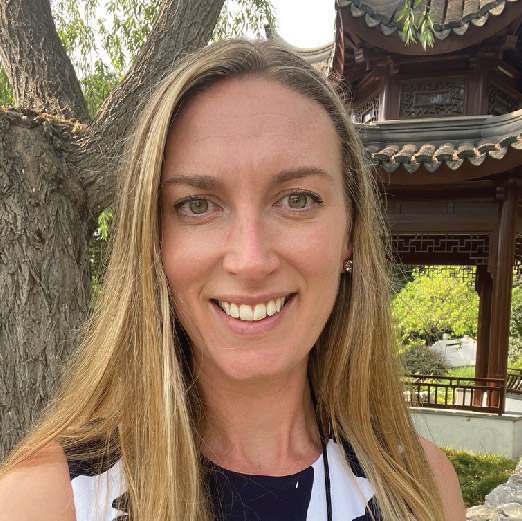
"Interpreting Literature: Transformation and Catholic Identity"
Julie Chamberlin
Associate Director, Writing Program and Advanced Lecturer in English
The course I am proposing, “Interpreting Literature: Transformation and Catholic Identity” would be offered as a section of UCLR 100E. In this course, students will examine the distinct role concepts of “transformation” play in the formation of Catholic identity by studying literary depictions of spiritual and material transformation. We will focus in particular on the idea of transubstantiation, or the process by which the substance of the Eucharist transforms into the blood and body of Christ, as a pillar of Catholic theology and metaphysical quandary in literature.

"Cross-Spiritual Conversation: Art, Symbols, and Imagination in Museums"
Seungho Moon
Professor (School of Education)
This course examines the intersections of spirituality and art, with a focus on understanding and appreciating the multiplicity of spiritual symbols and practices across cultures and religions. This course explores how art reflects the major eight spiritual themes such as 1) birth, 2) death, 3) love, 4) illness/suffering, 5) fear, 6) empathy, 7) joy, and 8) family/community. Through museum visits, visual art analysis, and critical discussions, students will engage with various spiritual symbols and their meanings, reflecting on their cultural, historical, and theological significance. This course encourages students to use their imagination to nurture empathy and deeper understanding of spiritual diversity, developing their ability to appreciate the role of art in expressing shared human experiences for advocating human dignity and mitigating social inequity.
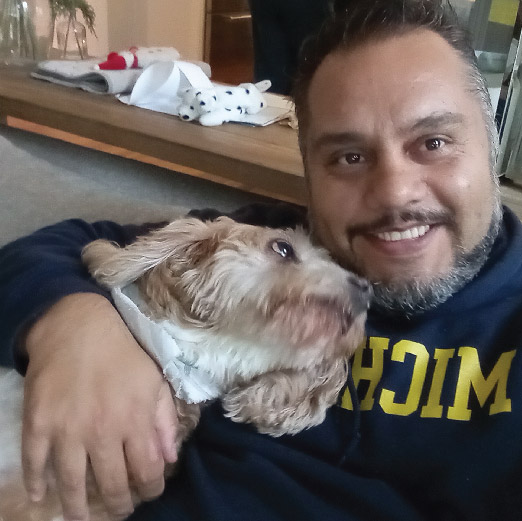
“Thinking about crime, Incarceration, and rehabilitation: a Catholic perspective”
Guillermo E. Sanhueza
Associate Professor, School of Social Work
This course intends to introduce students to critically reflect on some of the most pressing social issues in the US society today: crime, incarceration, and rehabilitation. We plan to do so from a modern, Catholic perspective that will value and integrate both faith and reason as key elements to analyze these phenomena. Thought as a seminar-style, interdisciplinary course, this class will touch base on various aspects (i.e. philosophical, historical, sociological, psychological, economic, therapeutic, theological, etc.) that contribute to shape particularly the prison system in the US today. The main goal is to offer students a Catholic perspective on these topics so they may critically think and reflect on the complexities and challenges surrounding crime, incarceration, and rehabilitation.
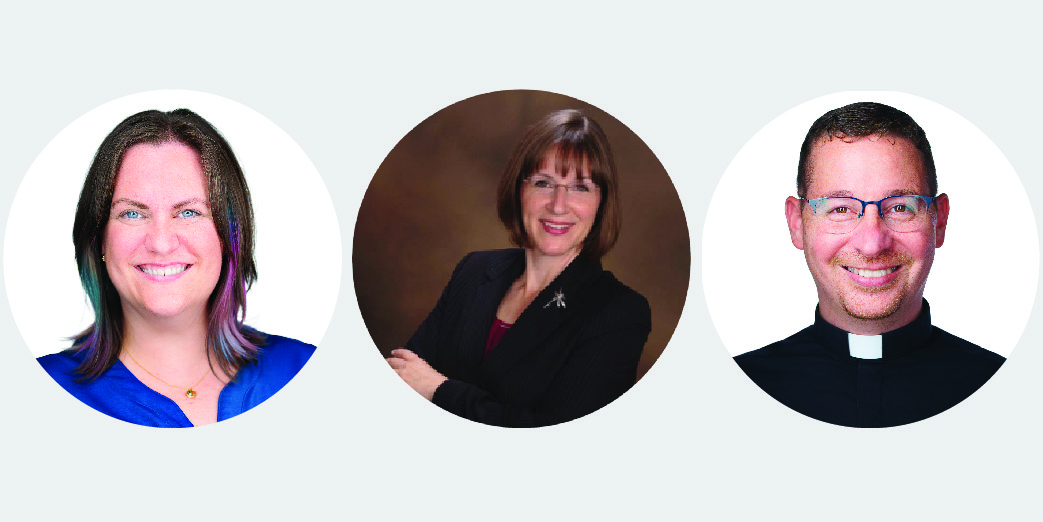
"Nursing and Healthcare Admin Practicum"
Amy Kiefer, Colleen Kordish & Jason E. Brauninger, S.J.
The Clinical Practicum for the MSN Nursing and Healthcare Administration is being realigned with the University’s Jesuit Mission and Values. When students engage in this three-part practicum course, they create and manage a small project in partnership with a nurse leader as preceptor. Through supervised clinical experience and guided reflection, students explore the integration of nursing science, models and theories, and Jesuit values in their early leadership practice. Through their structured coursework in this practicum, they focus on systems-level thinking, evidence-based leadership, and justice-driven practice. Students deepen their engagement in management projects while critically examining how social determinants of health, equity, and human dignity inform ethical leadership. Clinical experiences are coupled with reflective practices grounded in Ignatian spirituality such as journaling the Jesuit Examen in individual reflection, group discussions, and grounding their project plans in Catholic thought.
G5H2G Boutique - Achat Le SIG P320-XTEN : le roi du contrôle du recul parmi les pistolets de gros calibre 10 mm Livraison le lendemain’s Joan and Bill Hank Center for the Catholic Intellectual Heritage (CCIH) encourages the development of undergraduate and graduate courses connected to the broad range of Catholic thought. It does this by offering full-time Loyola faculty a stipend of up to $4,000 (pre-tax) for the development of these courses.